Pressure Treated Pine Privacy Fence vs. Composite: 8 Cost and Material Facts
If you just moved into a Cleveland house with a wide-open backyard, a pressure treated pine privacy fence is probably the first option you priced. Then someone mentioned composite, and now you have two numbers that look nothing alike. This guide compares pine vs composite fence options through eight key points that matter: upfront cost, lifespan, maintenance, looks, and what Cleveland's freeze-thaw winters do to each. By the end, you should know which one fits your yard, your budget, and your timeline.
1. Upfront Cost Is the Biggest Gap Between Pine and Composite
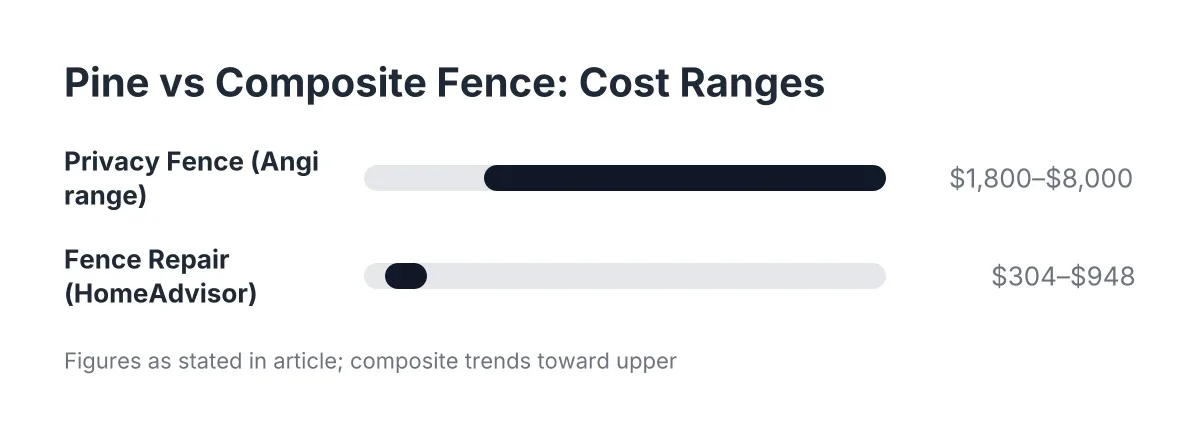
Pressure treated pine is the cheapest privacy fence material you can buy, and composite is one of the most expensive. For a typical backyard, composite can run two to three times the installed price of treated pine for the same fence line. According to Angi, privacy fence installation typically costs between $1,800 and $8,000, averaging $4,300; pine projects tend to land in the lower half of that range, while composite pushes toward the top or past it.
For example, suppose a homeowner in Parma needs 150 feet of 6-foot privacy fence around a new backyard. In that scenario, a treated pine fence might come in around the low end of the Angi range, while a composite fence of the same length could cost more than double. That gap is the whole decision for a lot of buyers.
2. Composite Lasts Longer, but Pine Fencing Has Decent Longevity Too
Composite fencing resists rot, insects, and fading because it is a blend of wood fiber and plastic, and it commonly outlasts a wood fence by a decade or more. However, a pressure treated pine fence is not a short-term product. The treatment forces preservative chemicals deep into the wood, so the posts and pickets resist rot and insect damage for many years when the fence is built and maintained correctly.
The honest trade-off is this: pine will likely need picket or rail replacement before a composite fence needs anything, but you can repair a wood fence cheaply. According to HomeAdvisor, fence repair averages $618, with most homeowners spending between $304 and $948. A damaged composite panel often means replacing a full section at a higher cost.
3. Maintenance: Where Composite Earns Its Price Against Pine
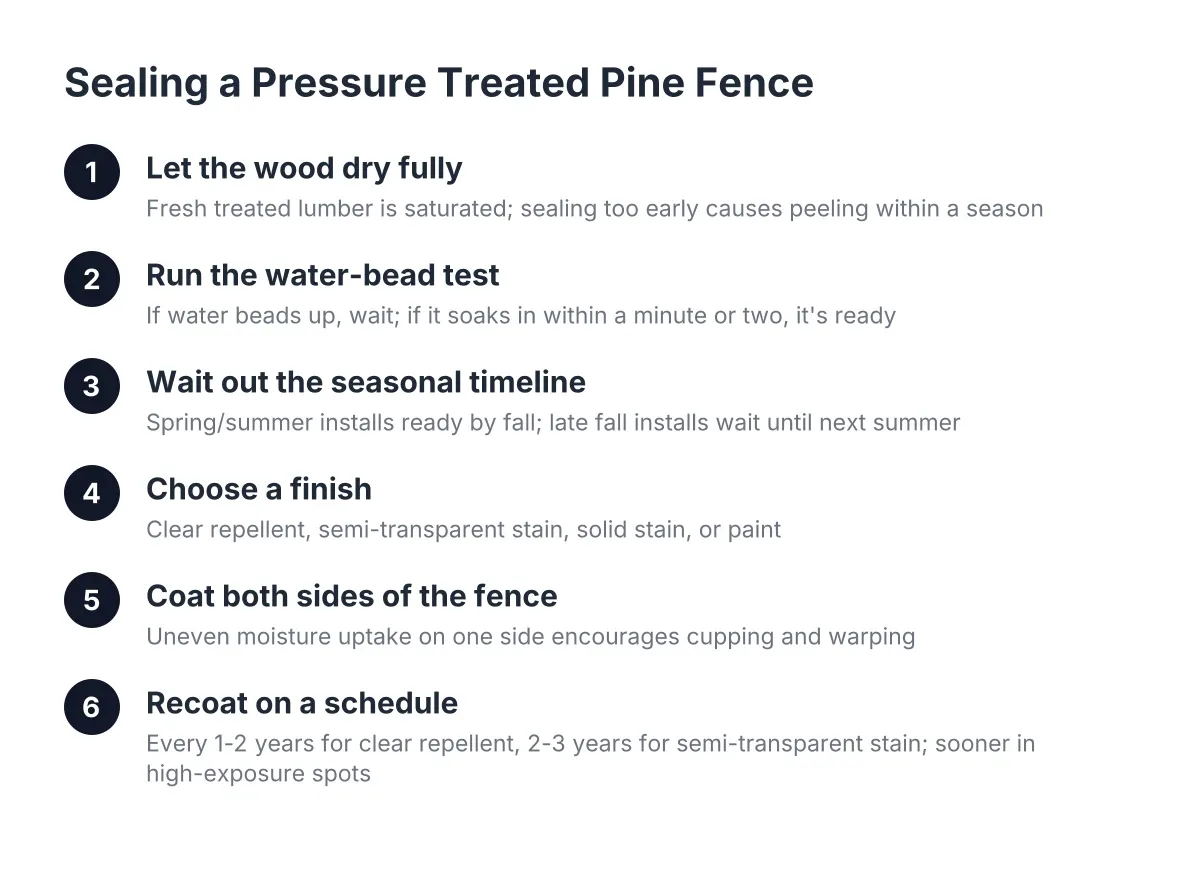
A pressure treated pine privacy fence needs staining or sealing to look good and last. One wrinkle many homeowners miss: because the treatment process leaves the lumber saturated, treated pine can stay wet for months after installation. You have to wait for it to dry before staining, which usually means living with the raw greenish wood through the first season. Oil-based stains work well on treated pine once it has dried out.
Composite needs none of that. You hose it off occasionally and you are done. Does treated pine need to be painted? No; staining or sealing is the standard approach, and paint tends to peel on treated lumber. If you know you will never stain a fence, that points toward composite or toward accepting a grayer, shorter-lived pine fence.
4. Cleveland Freeze-Thaw Treats Both Materials the Same at the Posts
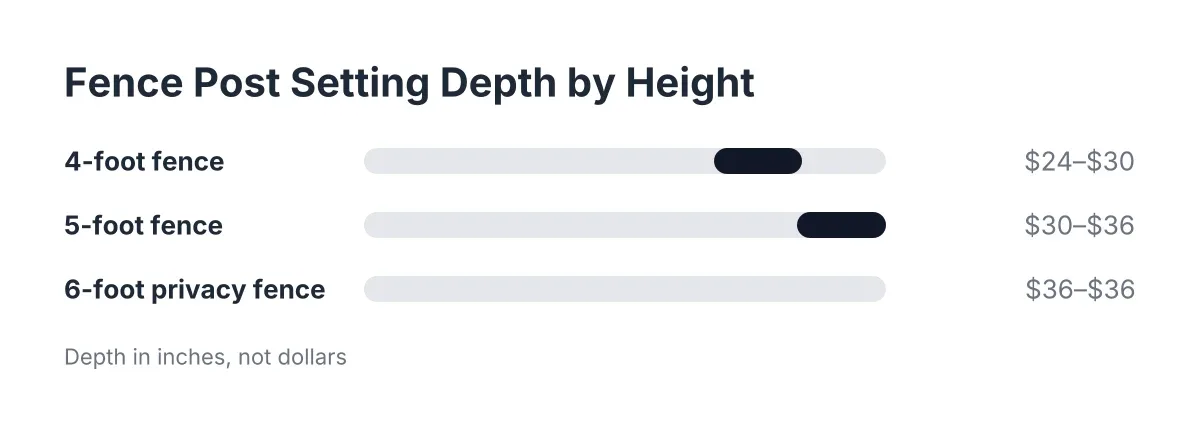
Whatever you put between the posts, the posts themselves live in Cleveland soil. Our freeze-thaw cycles move the ground every winter, and a post set too shallow will heave no matter what the panels are made of. Pressure treated posts set below frost depth in properly placed footings handle this well, which is why even many composite fence systems ride on treated wood or steel posts.
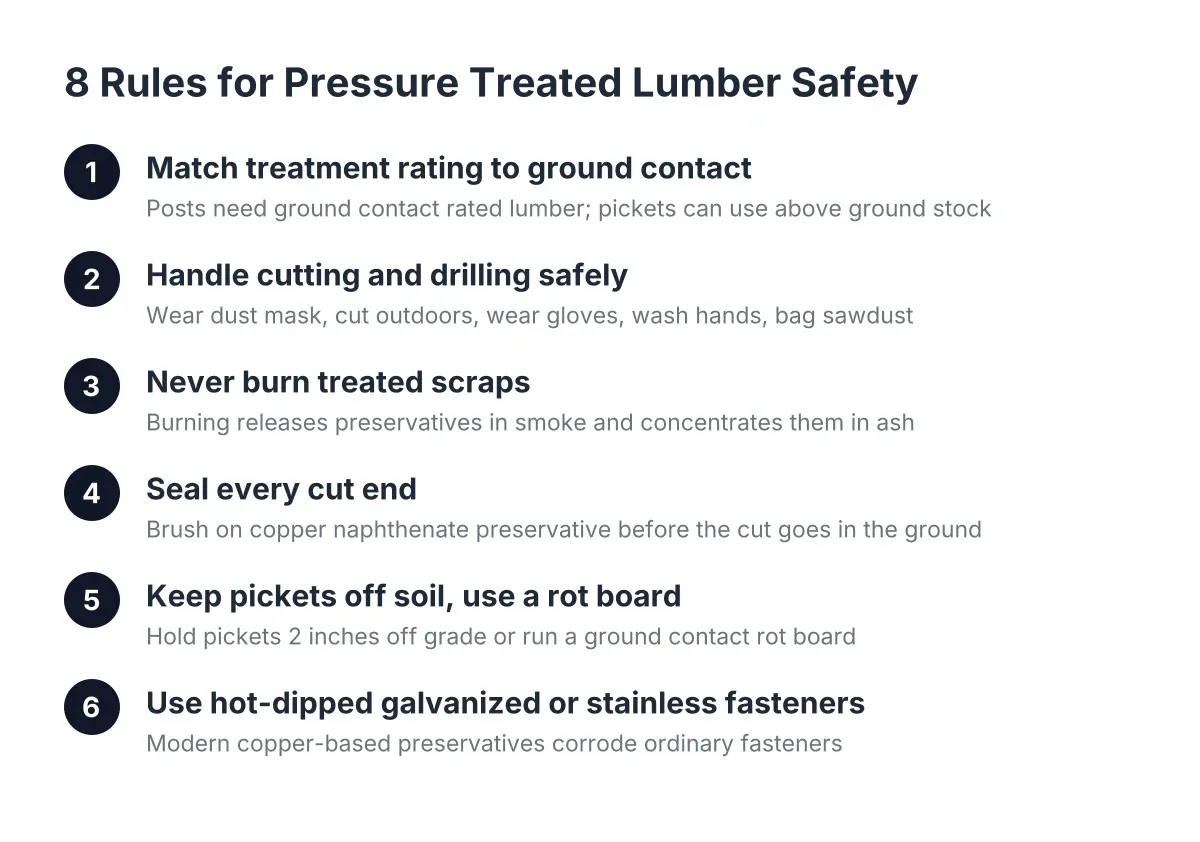
In addition, drainage at the bottom of the fence matters for wood. Pickets that sit in pooled water wick moisture and rot from the bottom up. A treated rot board along the base, or simply keeping pickets a few inches off grade, protects a pine fence considerably. Composite does not rot, but standing water still stresses posts and footings.
5. Looks Are a Draw, and Your Block Decides the Tiebreaker
New homeowners often worry a 6-foot privacy fence will feel boxed-in or look out of place on the street. Both materials offer ways to soften that. Pine takes stain in any color and can be topped with a pressure treated pine wood square privacy lattice panel, which lets light through while still blocking direct sightlines. A scalloped top cut between posts also breaks up the flat wall look on a standard pine fence.
Composite comes in fixed colors and finishes, which some buyers love and some find plastic-looking up close. Walk your street before deciding. On blocks with older inner-ring housing and tight lot lines, a stained wood fence often blends in better than a bright composite panel.
6. Custom Styles Raise the Price of Pine Faster Than You Expect
A standard flat-face privacy fence is the baseline price for pressure treated pine. Styles like board-on-board or shadow box need more pickets per foot of fence line, plus more labor to place them, so the same 150 feet costs noticeably more. Trim caps, lattice toppers, and horizontal designs add cost the same way. The price reflects real material and labor, not markup games.
This matters for the comparison because a heavily upgraded pine fence can start closing the gap with basic composite. Therefore, if you are quoting a board-on-board pine design against an entry-level composite panel, get both numbers before assuming pine is automatically cheaper.
7. For Rental Properties, Treated Pine Usually Wins the Math
Small landlords with a handful of Cleveland-area doors face a different calculation than owner-occupants. A privacy fence rarely raises rent enough to justify composite pricing, and tenants are harder on fences than owners are. Treated pine keeps the per-property spend manageable, and when a tenant's dog chews a picket or a gate sags at turnover, fence repair is cheap and fast.
For context, NerdWallet reports professionally installed fences cost $15 to $25 per linear foot on average, citing Angi data, with total project costs typically between $2,000 and $5,000. If you are phasing fence replacement across three rentals over a season, that per-foot math with pine fits a typical budget. Composite across multiple units usually does not.
8. The Permit and Property Line Questions Come Before Either Material
Before you compare panels, confirm two things: where your property line actually sits, and whether your city requires a fence permit. Many Greater Cleveland suburbs have rules on fence height, setbacks from the line, and which side faces the neighbor. Rules vary by city, so check with your local building department rather than assuming. If you just bought the house and no fence exists, a survey or your closing documents can pin down the line before any posts go in. Building on a neighbor's land is a far more expensive mistake than any material choice.
As for who pays, in most cases the owner who wants the fence pays for it. A neighbor does not have to split the cost unless you both agree to it. Talking to the neighbor before installation avoids disputes either way.
How to Decide Between Pine and Composite Fencing
Here is the short version of the comparison, as of 2026:
- Choose pressure treated pine if: you want privacy fast at the lowest installed cost, you are fencing a rental, or you plan a custom look with stain, lattice, or a decorative top.
- Choose composite if: you plan to stay in the home 15 or more years, you refuse to stain or repair anything, and the upfront price fits your budget.
- Either way: set posts below frost depth, keep pickets off the ground, and settle the property line and permit questions first.
One more clarification that trips up buyers at the lumberyard: yellow pine vs pressure treated is not an either-or choice. Southern yellow pine is the species; pressure treated describes the preservative process applied to it. Most treated fence pickets and posts sold in Ohio are treated southern yellow pine.
If your yard has steep grade changes, buried utilities near the line, or an unclear boundary, bring in a professional before committing to either material. A fence company that works in Cleveland soil can tell you whether your site adds cost that changes the pine vs. composite math. For most new homeowners who want sightlines blocked this season without draining the moving budget, pine privacy fencing gets you there; composite is the long-game upgrade for owners who value zero maintenance over upfront savings.
If you need fence installation, Cleveland Fence Installers can help.
Prefer to talk it through? Call (216) 465-0485 — a quick call is usually the fastest way to get a straight answer for your situation.