Pressure Treated Lumber Safety: 8 Ground Contact and Installation Rules
If you have already decided on a pressure treated wood fence, the next job is building it right. Pressure treated lumber safety comes down to two things: handling the wood correctly during installation, and matching the right treatment grade to the right spot in the fence. Get both right and you avoid wasted money, early rot, and the kind of shortcuts that make a fence fail in Cleveland's freeze-thaw ground. This list covers eight practical rules for ground contact, cutting, fastening, and finishing, written for a homeowner who wants to check the installer's work or do a section themselves.
One note up front. Modern residential pressure treated lumber uses copper-based preservatives, not the older arsenic-based formulas that most of the scary articles online are about. The wood is standard for decks, play structures, and fences today. The safety questions that still matter are about dust, burning, ground contact ratings, and smart installation. That is what we cover here.
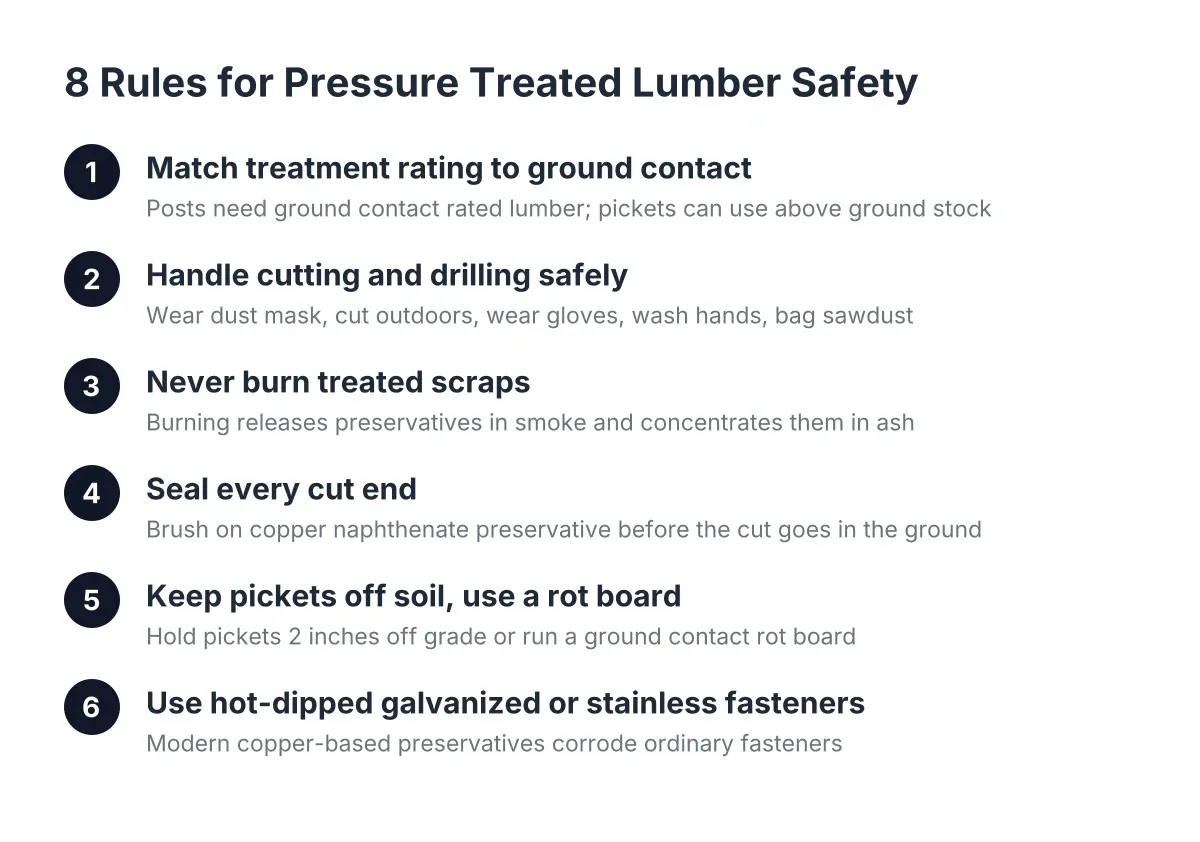
1. Match the Treatment Rating to Ground Contact
Not all pressure treated lumber is the same. Boards carry a tag that says "above ground" or "ground contact," and the difference matters for a fence. Posts go in the ground, so they need ground contact rated lumber with a higher preservative retention. Pickets and rails that never touch soil can use above ground stock.
Here is where budget-minded buyers get burned. Suppose a homeowner in a new build off a Cleveland suburb buys a bundle of cheaper above ground posts to save a hundred dollars on a 150-foot perimeter fence. Those posts sit in wet clay through every spring thaw. In that scenario, the posts rot at the soil line years before the pickets fail, and the fix is a full fence repair or post replacement, not a stain job.
Check the end tag on every post before it goes in the hole. If the tag says UC4A or "ground contact," you are covered for standard fence posts. If a quote seems low, ask the fence company which rating they use for posts; that one question tells you a lot about the bid.
2. Handle Cutting and Drilling: Pressure Treated Lumber Safety During Installation
Pressure treated lumber safety during installation is mostly about dust. The preservative is locked into the wood fibers, so the main exposure risk is sawdust from cutting, drilling, and sanding. The fix is simple and cheap.
Follow these habits any time treated lumber gets cut:
- Wear a dust mask and safety glasses when sawing or drilling.
- Cut outdoors, upwind of where you are standing, never in a closed garage.
- Wear gloves when handling rough-cut boards to avoid splinters that carry preservative.
- Wash your hands before eating, drinking, or smoking.
- Sweep up sawdust and bag it with household trash; do not compost it.
None of this is exotic. It is the same routine the preservative makers publish in every pressure treated wood safety data sheet. A professional crew does this without thinking about it; a weekend builder needs to make it a habit.
3. Never Burn Treated Scraps or Old Fence Boards
Is pressure treated lumber safe to burn? No. Burning treated wood releases the preservative chemicals in the smoke and concentrates them in the ash, and that holds for scraps from a new fence installation and for old boards pulled out during a fence replacement. This is the one safety rule with no gray area.
Fire pits, wood stoves, and burn barrels are all off the table for treated lumber. The ash is the bigger hazard than the smoke because the chemicals concentrate in it, and it ends up in your yard or garden. Many homeowners learn this only after tossing demo boards on a bonfire.
Instead, set scraps and tear-out boards aside for regular trash pickup or a construction debris hauler. If an installer handles your fence replacement, ask how they dispose of the old treated material. Haul-away is a line item worth confirming before you sign, since surprise disposal fees are exactly the hidden cost a careful buyer wants flagged early.
4. Seal Every Cut End Before It Goes in the Ground
The pressure treatment penetrates from the outside of the board inward, and the center of a thick post is less saturated than the shell. When a post or rail gets cut to length, the fresh cut exposes that less-protected core. Left bare, a cut end wicks water like a straw.
Therefore, every field cut should get a brush coat of copper naphthenate end-cut preservative before installation. It costs a few dollars a can and takes seconds per cut. On posts, plan cuts so the factory-treated end faces down into the hole whenever possible, keeping the best-protected wood in the wettest spot.
This is a detail worth asking about when you compare quotes. A crew that seals cut ends is thinking about the fence at year twelve, not just at final payment.
5. Keep Pickets Off the Soil and Use a Rot Board
Ground contact is not just a post problem. Pickets that touch soil or sit where water pools wick moisture up the grain and rot from the bottom edge. The standard fix is to hold pickets about two inches off grade, or to run a horizontal rot board along the bottom of the fence.
A rot board is a ground contact rated pressure treated board, often a 2×6, installed flat along the bottom of the fence line. It takes the soil contact so the pickets do not have to, and it is cheap to replace later compared to a row of pickets. Builders even use pressure treated rot boards under cedar fences for the same reason; the treated board sacrifices itself to protect the pricier wood above.
On a sloped Cleveland lot, the rot board also gives you a clean stepped line at the bottom and closes gaps that let a dog dig under. For a pet-driven privacy fence on a new-build yard, that gap control is half the point of the fence.
6. Use Hot-Dipped Galvanized or Stainless Fasteners
Modern copper-based preservatives corrode ordinary steel fast. Standard bright nails or interior screws in treated lumber can rust through in a few seasons, and then pickets loosen and rails sag. The wood is fine; the fasteners failed.
For a pressure treated pine fence, use hot-dipped galvanized or stainless steel nails and screws, and hardware labeled as approved for contact with treated lumber. The same rule applies to gate hinges, latch hardware, and post brackets on any gate installation. Gates take the most stress of any part of the fence, so cheap hardware there shows up first as a dragging, sagging gate.
If you are reviewing a materials list on a quote, fastener type is a fair question to ask. The cost difference on a whole fence is small; the lifespan difference is not.
7. Pick Straight Stock and Let Wet Wood Dry Before Finishing
Pressure treatment forces liquid deep into the wood, so boards often arrive heavy and wet and can stay damp for months after installation. Wet wood moves as it dries. That is why some treated pickets twist, cup, or check in their first summer.
You can reduce the damage at the lumber stack. Look at the end grain of each post and skip boards where the heart, the center of the growth rings, sits near the edge of the board; that orientation twists more as it dries. Reject boards that already show a visible bow or crown.
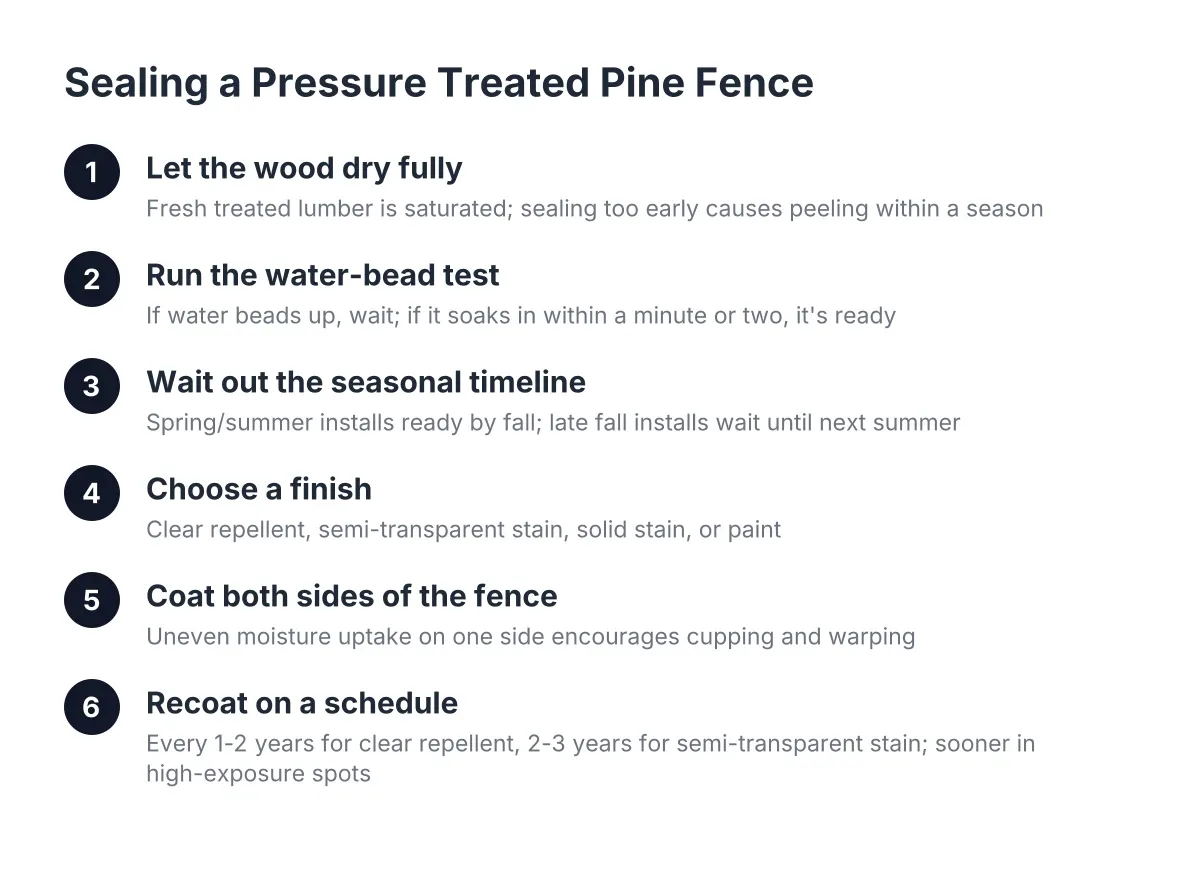
In addition, wait for the wood to dry before staining or sealing. Sprinkle water on a board; if it soaks in instead of beading, the fence is ready for finish. Oil-based stains work well on pressure treated pine once it has dried out. Finishing too early traps moisture and peels within a year.
8. Backfill Posts for Drainage, Not Just Bulk
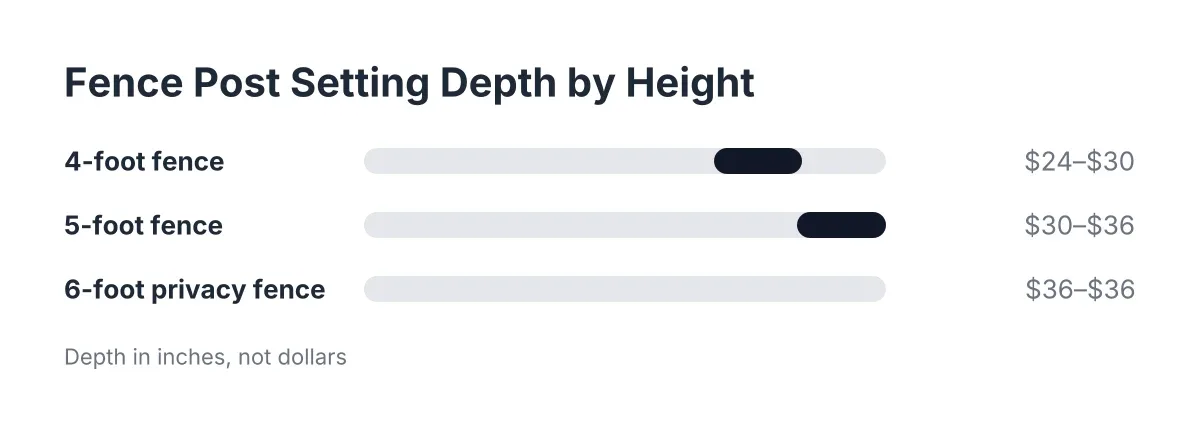
How a post is set decides how long it lasts, and Cleveland's freeze-thaw ground movement punishes lazy post setting. Tamping loose dirt back into the hole is not an acceptable practice for a fence that has to stay plumb; the post will heave and lean within a few winters. However, concrete poured flat around a post can trap water against the wood and speed up rot at the collar.
The better details are simple. Put a few inches of gravel at the bottom of the hole so the post end drains. If concrete is used, slope or crown the top of the footing away from the post so water sheds instead of pooling. Keep mulch and soil from piling against posts after the fence is done, since buried wood stays wet.
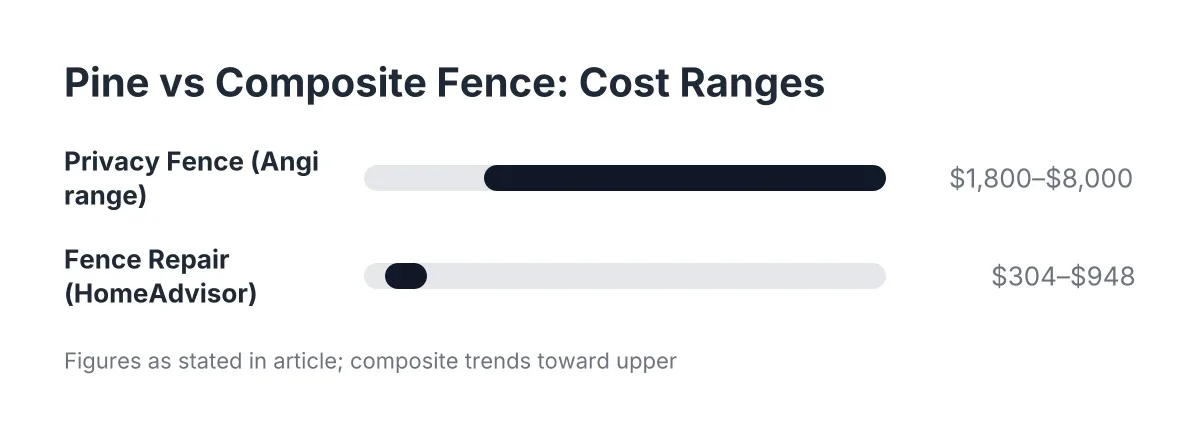
For an illustrative budget check, say a new-build homeowner is fencing a 150-foot backyard perimeter. Angi reports that fence installation averages $3,277, with most homeowners paying between $1,860 and $4,843, and NerdWallet puts professionally installed fences at $15 to $25 per linear foot on average, citing Angi data. If a quote lands far below that range, ask specifically about post rating, footing method, and fasteners; those are the places a low bid usually cuts.
Common Pressure Treated Lumber Safety Questions
A few questions come up on nearly every wood fence project, so here are the short answers.
Is pressure treated lumber safe for kids and pets around a fence?
Yes, installed pressure treated lumber is considered safe for kids and pets in normal yard use. Today's residential treatments are copper based, and the preservative is fixed in the wood rather than sitting on the surface. Sensible habits still apply: have kids wash hands after climbing on the fence, and keep pets from chewing on boards.
The bigger child-safety issues on a fence are physical, not chemical. Splintered boards, protruding screw points, and sharp wire ends on a chain link fence matter more day to day. On chain link, the twisted ends of fence ties should be bent flat against the fabric, not left sticking out at eye level for a kid on a bike.
Can treated fence boards sit next to a vegetable garden?
Garden beds along a fence line are the most common worry, since search results are full of debate about whether pressure treated lumber is safe for vegetable gardens. For a fence standing near a garden, the practical exposure is low; the preservative stays bound in the wood rather than spreading through the soil. If it still bothers you, plant edibles a foot or two off the fence line or use a raised bed with a liner.
That said, this article is about fences, not raised bed construction. If you plan to build garden beds from treated lumber, read the manufacturer's guidance for that specific product before you buy.
Where does a professional fit in?
A fence is a forgiving project in some ways and unforgiving in others. The trade-off with doing it yourself is that layout, post depth, and property lines carry most of the risk, and mistakes there are expensive to undo. If your lot has tight lines, an older survey, or a dispute-prone neighbor, bring in a pro for at least the layout and permit question.
On that point, do not skip the fence permit check. Requirements vary by city across Greater Cleveland, and height, setback, and corner-lot rules differ from one suburb to the next. Before any posts go in, verify requirements with your local building department; a quick call costs nothing, while tearing out an unpermitted fence costs plenty. A straight-shooting fence company will raise the permit question before you do, and that is a good sign you picked the right one.
If you need fence installation, Cleveland Fence Installers can help.
Prefer to talk it through? Call (216) 465-0485 — a quick call is usually the fastest way to get a straight answer for your situation.