Pressure Treated Wood Fence vs. Cedar: Which Is Right for You?
If you're planning a wood fence in Greater Cleveland, your choice usually comes down to a pressure treated wood fence or cedar. The short answer on pressure treated wood fence vs cedar: pressure treated wins on upfront cost and ground contact durability, while cedar wins on looks and holding its shape over time. Both handle Cleveland winters if the posts are set right. The right pick depends on your budget, how long you plan to stay in the home, and how much the fence's appearance matters to you. Here is the full breakdown so you can decide before you spend.
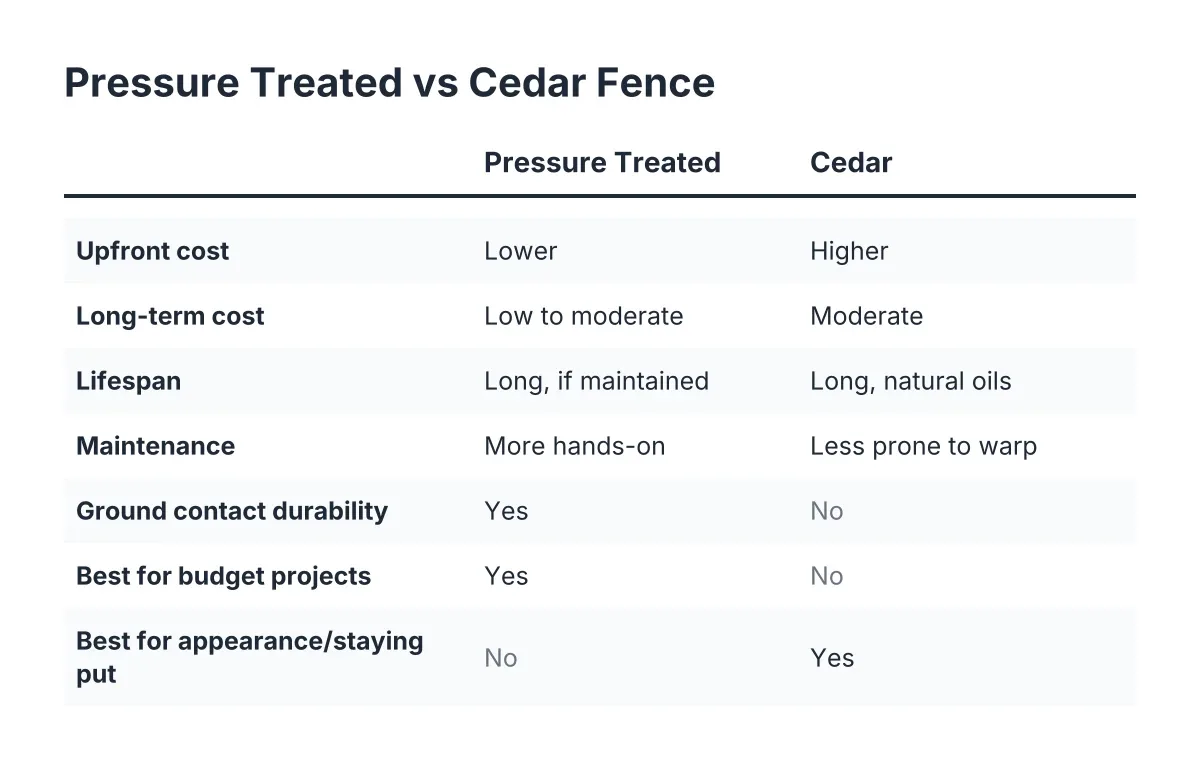
| Criteria | Pressure Treated Wood Fence | Cedar |
|---|---|---|
| Upfront cost | Lower, the budget pick for most yards | Higher, often a noticeable jump per foot |
| Long-term cost | Low to moderate, needs stain or sealer to look its best | Moderate, costs more up front but weathers gracefully |
| Lifespan | Long when maintained, treatment resists rot and insects | Long, natural oils resist rot and insects |
| Maintenance | More hands-on, prone to warping and checking as it dries | Less prone to warping, can be left to gray naturally |
| Best for | Budget-focused projects, long privacy runs, posts in wet ground | Homeowners who want the look and plan to stay |
Pressure Treated Wood Fence: Strengths and Trade-offs
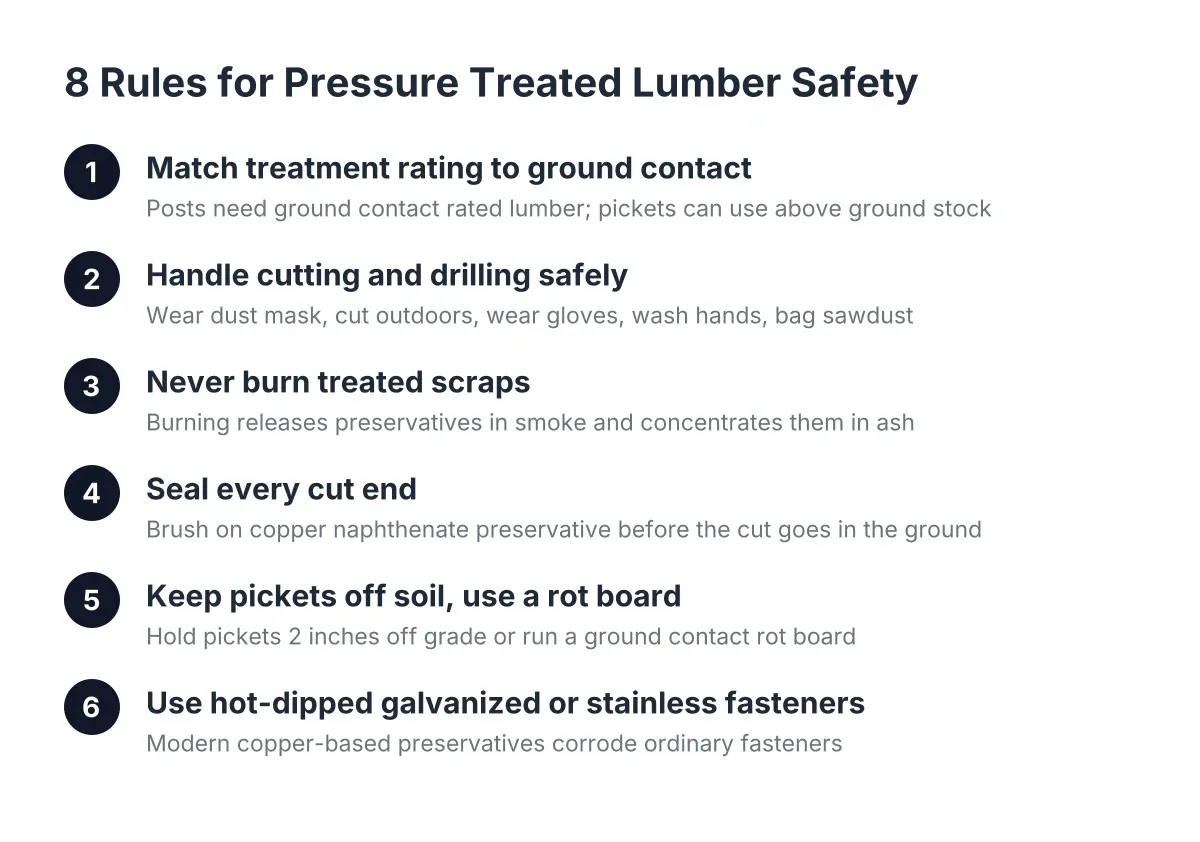
A pressure treated fence is built from lumber, usually southern yellow pine, that has been forced full of preservatives under pressure. The treatment protects the wood against rot, fungus, and insects, which is why treated posts are the standard choice for anything that touches soil. In a market like Cleveland, where freeze-thaw cycles push moisture in and out of the ground all winter, that protection matters at the post line more than anywhere else.
Where it shines: price and toughness. A pressure treated pine fence is typically the least expensive way to get a full-height privacy fence around a yard, and the savings grow with every foot of fence line. If you have 200 feet of backyard to enclose, the gap between treated pine and cedar is real money. Treated lumber also handles ground contact better than untreated wood of any species, so it is the default for posts even on cedar fences.
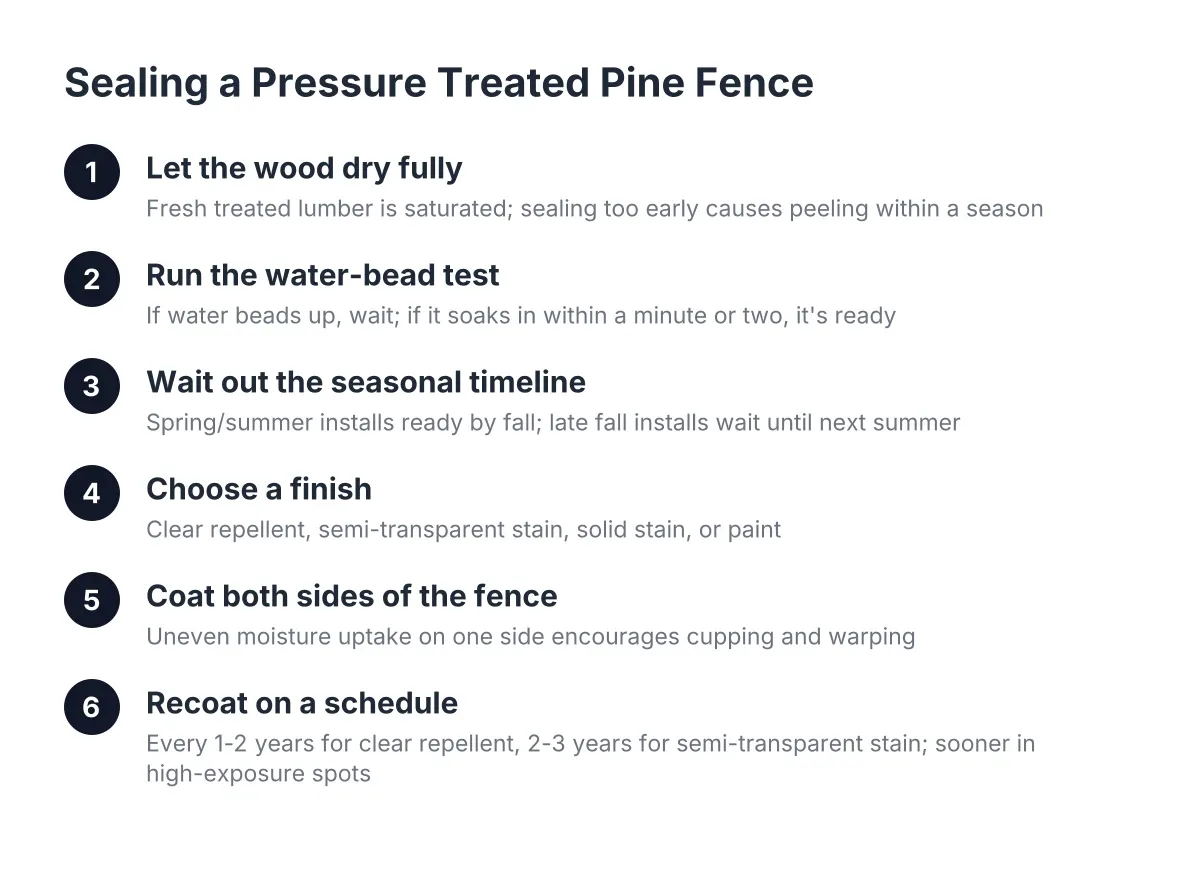
Where it disappoints: looks and behavior as it dries. Treated lumber ships wet from the treatment process. As it dries in your yard, boards can warp, twist, cup, and crack. The green or brown tint fades to a dull gray unless you stain it, and you have to wait for the wood to dry before stain will take. Expect more maintenance visits with a brush or sprayer, and expect a few boards to misbehave in the first year.
Cedar Fencing: Strengths and Trade-offs
Cedar is a naturally rot-resistant softwood. Its oils do the job that chemical treatment does for pine, no pressure treatment required for the boards. It is the wood most people picture when they imagine a warm, reddish privacy fence, and it is the pick for homeowners who care how the fence looks from the patio, not just from the property line.
Where it shines: appearance and stability. Cedar is lighter and drier than treated pine, so it stays flatter and straighter as it ages. It takes stain well, or you can let it weather to a soft silver gray and still have a fence that looks intentional. For older inner-ring Cleveland neighborhoods with tight lot lines, where the fence sits close to the house and you see it every day, cedar's look earns its price.
Where it disappoints: cost, and ground contact. Cedar costs more per board, sometimes a lot more depending on grade and supply. And while cedar boards resist rot well above grade, cedar posts in wet Cleveland soil do not last like treated posts do. That is why a common build pairs pressure treated posts with cedar boards and rails. You get the strength where the fence meets the ground and the looks everywhere else.
Pressure Treated Wood Fence vs Cedar: The Deciding Factors
Cost drivers
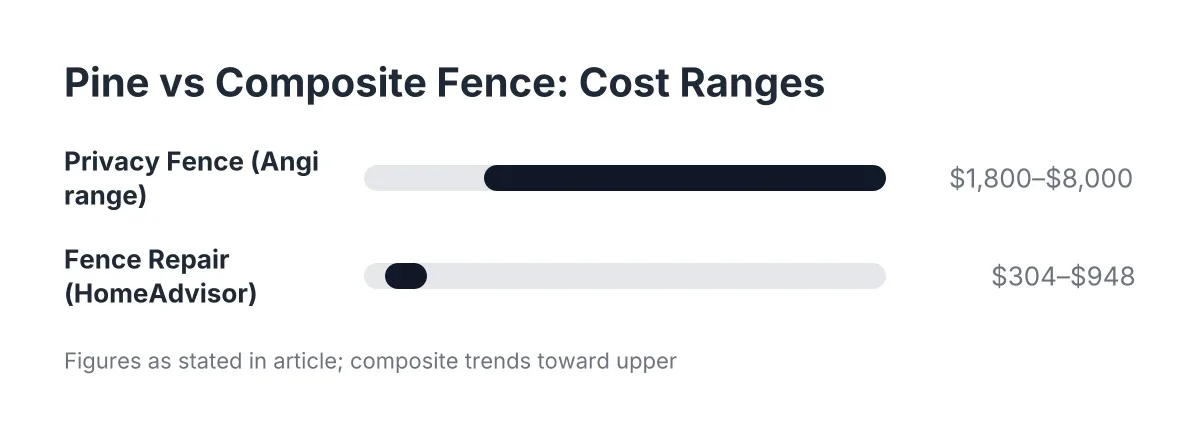
Pressure treated wins on price, and the gap widens as the fence gets longer. The main cost drivers for any wood fence are linear footage, height, gate count, and site conditions like slopes or old fence removal. Material choice sits on top of all of that, and cedar raises the per-foot number on every one of those feet. If you are replacing an old fence, factor in tear-out and haul-away either way. We walk through all of this in a free estimate so there are no surprise line items.
Lifespan
Call this one close to even, with the edge depending on where the wood sits. Below grade, treated posts outlast cedar posts in most yards. Above grade, both materials typically last decades when installed well and maintained. In Cleveland, the fence usually fails at the posts first, because freeze-thaw ground movement works on anything set in soil. Proper post depth and setting matter more to lifespan than the species of the boards.
Installation
Installation is the same job either way, so the material choice does not change the process much. Posts get set below the frost line to resist heaving, rails and boards go on, and gates get hung and adjusted. Cedar is lighter and easier to work, while treated lumber is heavier and wetter. One practical note: a new treated fence should dry for a season before you stain it, while cedar can usually be finished sooner. Either way, check the fence permit question with your local building department before work starts, especially on tight inner-ring lots where property lines get disputed.
Maintenance
Cedar asks less of you over the years. A pressure treated fence needs stain or sealer on a regular cycle to keep its color and slow down cracking, and you may need to replace or refasten boards that warp. Cedar holds its shape better and can be left unfinished if you like the gray. If you want a fence you can mostly ignore, cedar is the lower-effort wood. If you do not mind weekend maintenance, treated pine stays serviceable for a long time.
Situational fit
Treated pine fits long runs and tight budgets; cedar fits visible fences and longer ownership. A big backyard privacy fence on a rental property points to pressure treated. A fence framing the yard of a home you plan to keep for fifteen years points to cedar, or the hybrid build with treated posts and cedar boards. There is no wrong answer here, only a wrong match for your situation.
Which Should You Choose?
Choose Pressure Treated Wood Fence if:
- Budget is the deciding factor, or you have a long fence line to cover
- The fence is for a rental, a side yard, or anywhere looks matter less
- Your yard holds water and posts will sit in damp soil
- You are fine staining the fence on a regular schedule
Choose Cedar if:
- You see the fence from your living space every day and want it to look good
- You plan to stay in the home long enough to enjoy the upgrade
- You want less warping, twisting, and board replacement over the years
- You like the option of letting the wood gray naturally with no finish at all
Still torn? Ask about the hybrid: pressure treated posts with cedar boards. It is a common build for a reason, and for many Cleveland homeowners it is the right answer.
Common Questions
Do I need a permit for a wood fence in Cleveland?
Possibly, depending on your city and the fence height and location. Greater Cleveland includes dozens of municipalities, and each has its own rules on fence permits, height limits, and setbacks. Verify with your local building department before you build, and confirm your property line first, especially on older lots. We help homeowners sort out the permit question as part of planning any fence installation.
Which lasts longer in Cleveland weather?
Both can last decades above ground, but the fence usually fails at the posts, not the boards. Treated posts handle wet soil and freeze-thaw ground movement better than cedar posts, which is why treated posts are standard even under cedar fences. Post depth and a proper set matter more than the species on the boards.
Can I stain a pressure treated fence to look like cedar?
You can get close, but not identical. Treated pine needs to dry for a season before stain will absorb properly, and the grain will never match cedar exactly. A semi-transparent cedar-tone stain on dry treated wood is a common middle path for budget-minded homeowners who want warmer color.
Is cedar worth the extra cost?
When weighing pressure treated wood fence vs cedar, cedar earns its premium if appearance and low maintenance matter and you will own the home long enough to benefit. If the fence is mostly functional, or the run is long, treated pine delivers the same privacy for less money. For a specific number on your yard, a free estimate from a local fence company beats any rule of thumb.
Prefer to talk it through? Call (216) 465-0485 — a quick call is usually the fastest way to get a straight answer for your situation.