Fence Warranty Guarantees in Cleveland: What to Verify Before You Sign
You picked your fence, you picked your installer, and now there is a contract in front of you. Before you sign, slow down on one page most people skip: the warranty. Fence warranty guarantees in Cleveland deserve a closer read than they get, because our freeze-thaw winters put more stress on posts and panels than fences face in milder climates. A warranty that sounds generous on the phone can turn out to cover almost nothing when a post heaves in March. Understanding the specific fence warranty exclusions in your contract is essential before you commit.
This guide walks you through verifying fence warranty coverage step by step, in the order you would actually do it. It is written for the first-time buyer who wants to avoid surprises, and for the landlord putting fences on two or three rentals this season who cannot afford to redo the work next year.
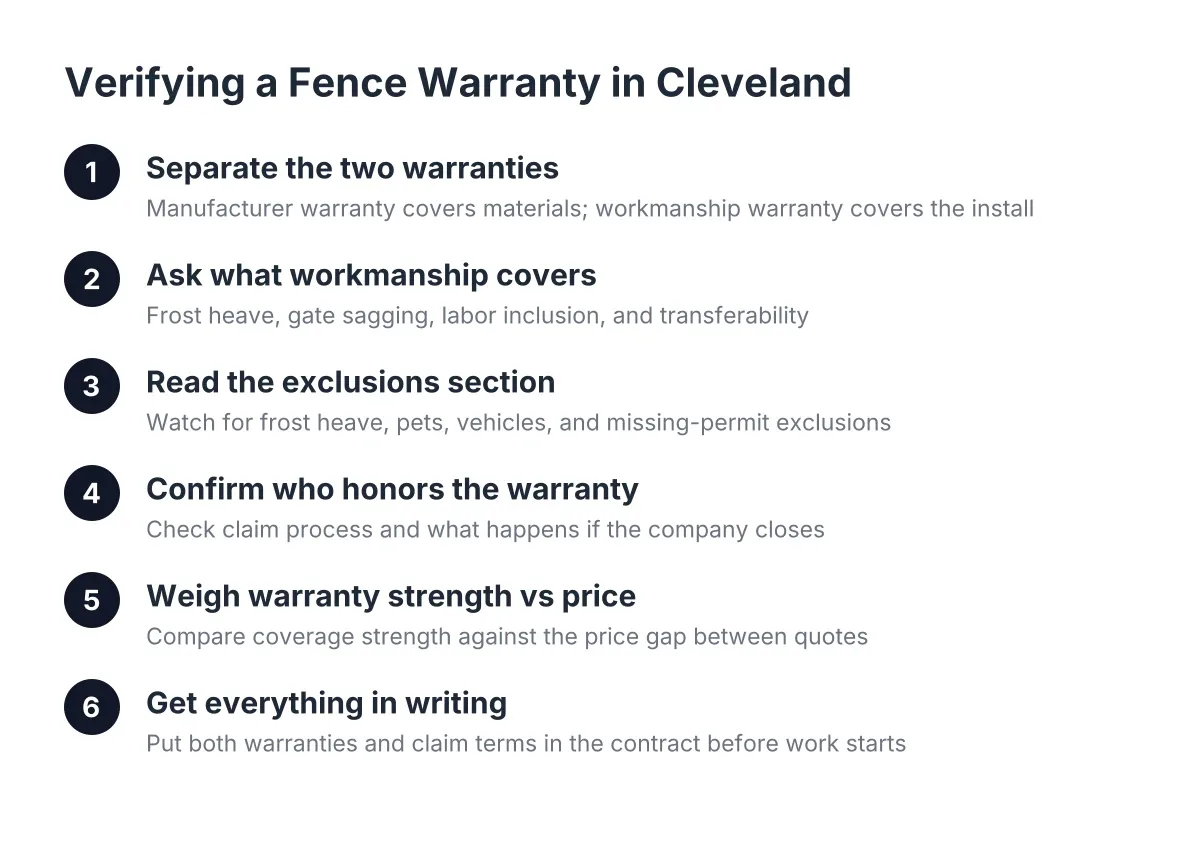
Step 1: Separate the Two Warranties in Your Quote
Every fence installation quote carries two different promises, and most buyers only hear one. First is the manufacturer warranty, which covers the materials: the chain link fabric, the vinyl panels, or the hardware. Second is the workmanship warranty, which comes from the fence company itself and covers how the fence was built.
The manufacturer warranty will not help you if a post was set too shallow and leans after the first winter. That is a workmanship problem. Likewise, the installer's workmanship warranty will not cover a vinyl panel that fades or cracks from a manufacturing defect. You need both in writing, and you need to know which one covers what.
Ask the installer to put each warranty on paper before you sign. If the answer is "we stand behind our work" with nothing written down, treat that as no warranty at all.
Step 2: Ask What the Workmanship Warranty Actually Covers
Workmanship coverage is where Cleveland-specific problems live. Our clay-heavy soil and repeated freeze-thaw cycles move fence posts. A post needs a generous amount of concrete around it on all sides to resist that movement, and a crew that rushes post setting is the most common source of warranty claims a year later.
When you review fence warranty guarantees with a Cleveland installer, ask these questions directly:
- Does the workmanship warranty cover posts that heave or lean from frost?
- How long does coverage last: one season, one year, or longer?
- Does it cover gates that sag or stop latching, which is the most common early failure point?
- Is labor included in a warranty repair, or only materials?
- Does the warranty transfer if I sell the property?
That last question matters more than people think. For a landlord, a transferable warranty adds value when you sell a rental. For a homeowner, it is one more selling point on the listing.
Understanding Fence Warranty Exclusions and What They Mean
Every warranty document has an exclusions section, and that section usually says more than the coverage section. Read it first. Common exclusions you will see in fence contracts:
- Damage from "acts of nature," which some companies stretch to include frost heave
- Damage from vehicles, mowers, or pets
- Natural wood behavior like checking, warping, or graying on a pressure treated fence
- Fences installed on disputed property lines or without a required fence permit
- Modifications made by anyone other than the original installer
Pay attention to the frost heave language. In Greater Cleveland, ground movement is not a freak event; it is the normal operating condition. If the exclusions are written so that frost heave does not count as a workmanship issue, the warranty protects the company, not you. A fair installer sets posts for our conditions and stands behind that work.
The permit exclusion matters too. Suppose a fence goes up without the permit your city requires, and the city flags it. Some warranties become void at that point, which means you could face a city correction order and have no coverage at the same time. Verify the permit question with your local building department before work starts; requirements and fees vary by city across Greater Cleveland, so confirm directly rather than relying on anyone's summary.
Step 4: Confirm Who Honors the Warranty and How Claims Work
A warranty is only as good as the process behind it. Before you sign, ask how a claim actually works. Who do you call? Do you need photos? Is there a service charge for a warranty visit? Get the answers in the contract or in writing, not over the phone.
In addition, ask what happens to the warranty if the fence company changes hands or closes. Workmanship warranties generally live and die with the company that issued them, so a local fence company with an established service area and a real address is a safer bet than a crew working out of a truck with a cell number. Manufacturer warranties usually survive regardless, but you may need your original receipt and product documentation to file a claim, so keep both.
A Hypothetical Claim, Start to Finish
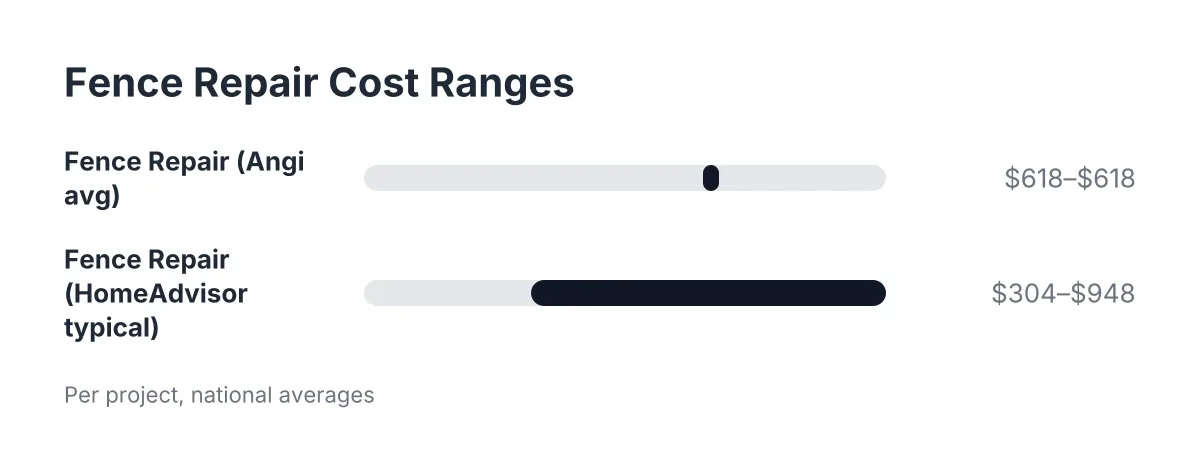
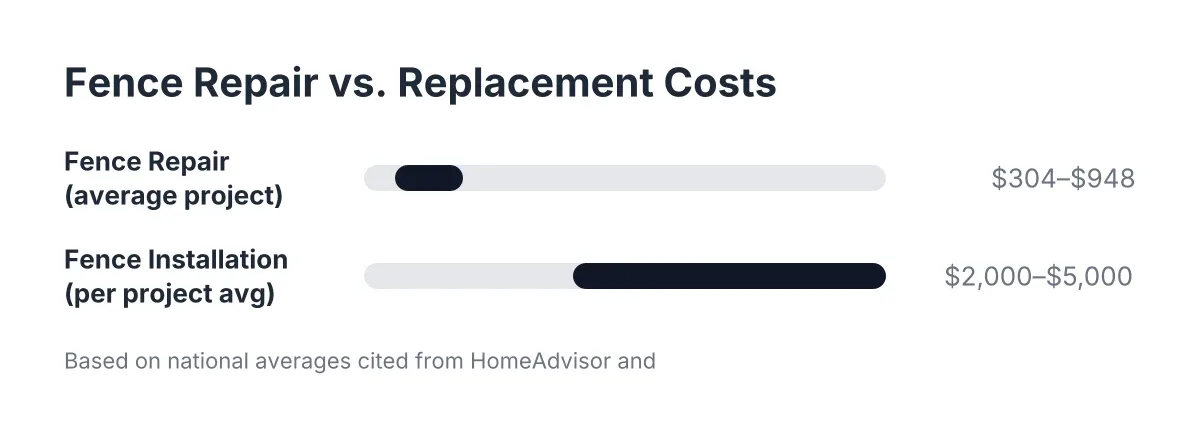
Say a landlord in Old Brooklyn has chain link installed around a double, and by the following spring one gate drags and two posts lean toward the driveway. Under a clear workmanship warranty, the call goes to the installer, the crew resets the posts and rehangs the gate, and the landlord pays nothing. Understanding fence warranty exclusions becomes critical in scenarios like this, where one installer blames frost, points to the exclusions page, and quotes a paid fence repair instead. For context, HomeAdvisor reports fence repair averages $618, with most homeowners spending between $304 and $948. The difference between those two outcomes was decided the day the contract was signed, not the day the post leaned.
Step 5: Weigh Warranty Strength Against the Price Gap
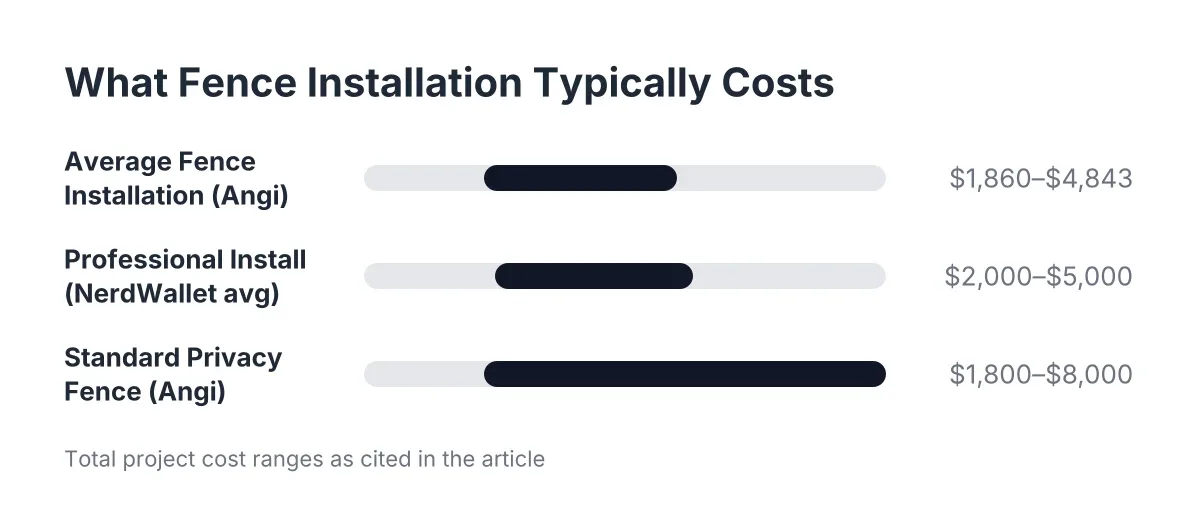
Now connect the warranty to the quote. Fence pricing reflects construction practices, materials, and expected longevity, not just lumber and labor. According to Angi, fence installation costs an average of $3,277, with most homeowners paying between $1,860 and $4,843. NerdWallet, citing Angi data, puts professionally installed fences at $15 to $25 per linear foot on average. If one quote comes in far below those ranges with a thin or verbal warranty, that gap is telling you something.
The cheapest bid often costs more over time because the fence has to be rebuilt sooner. A quote a few hundred dollars higher that includes deep-set posts, proper concrete, and a written workmanship warranty is usually the better buy, especially on rental properties where you want the fence to survive several tenant turnovers without another project.
Therefore, compare quotes line by line, not total by total. Make sure each one covers the same scope: post depth and concrete, gate installation, haul-away of old fencing on a fence replacement, and the warranty terms. A low number that excludes haul-away or gates is not actually low.
Step 6: Get Everything in Writing Before Work Starts
Finish the paperwork before anyone digs. Your signed contract should include the warranty terms for both workmanship and materials, the full scope of work, the permit responsibility, and the total price with any add-ons itemized. Keep a copy of the contract, the paid invoice, and the manufacturer's warranty documents together; you will need all three if you ever file a claim.
One honest limitation: no warranty, however well written, replaces a correct install. A strong document from a careless crew still leaves you filing claims every spring. Judge the installer by how clearly they explain their fence warranty guarantees and their Cleveland-specific build practices, like post depth for frost and string-line checks for straight runs, and let the paperwork confirm what the conversation already told you. If your project involves a disputed property line, a pool enclosure, or a code violation notice, talk to your building department and a professional before signing anything.
Quick Checklist: Verifying Fence Warranty Guarantees in Cleveland
Run through this list on your final call before signing:
- Written workmanship warranty with a stated length, labor included
- Manufacturer warranty documents provided, with registration handled if required
- Frost heave and post movement addressed in writing, not excluded by vague language
- Gate adjustments covered for at least the first season
- Permit responsibility assigned in the contract, verified with your building department
- Claim process spelled out: who to call, what it costs, how fast repairs are scheduled
- Transferability confirmed if you may sell the property
If you are planning a wood fence, privacy fence, or chain link project anywhere in Greater Cleveland, Cleveland Fence Installers will walk you through the warranty terms, the permit question for your city, and what drives your price before you commit. Reach out for a free estimate and get every answer in writing from the start.
If you need fence installation, Cleveland Fence Installers can help.
Prefer to talk it through? Call (216) 465-0485 — a quick call is usually the fastest way to get a straight answer for your situation.